

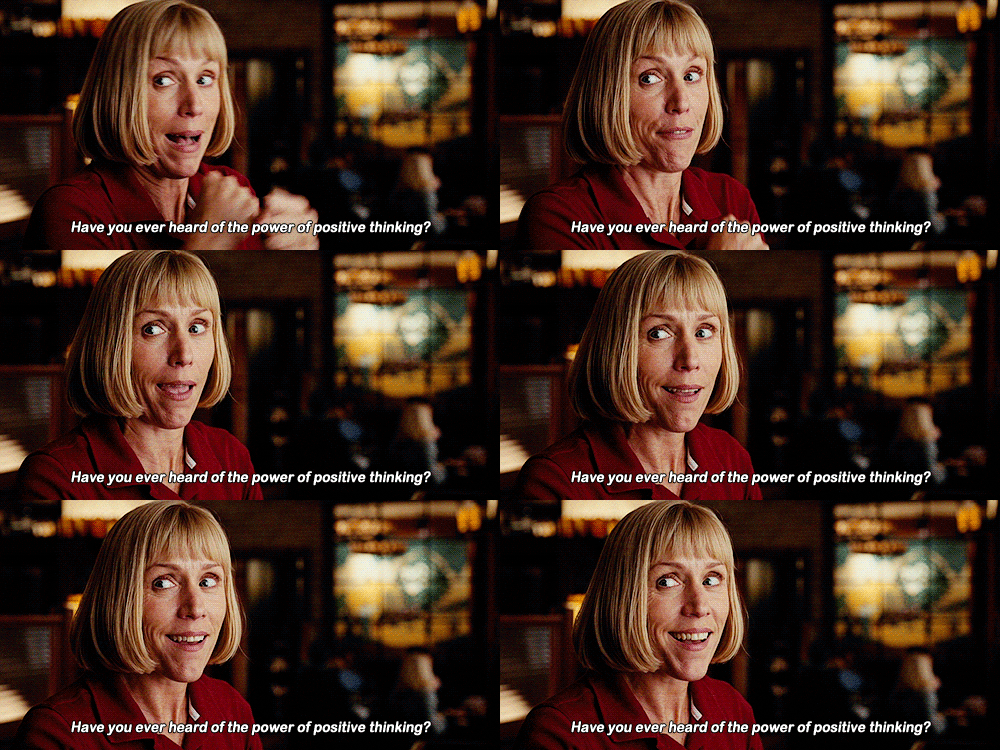
If you’re scrolling through social media these days, you’ll come across tons of ‘motivational’ content – stories that tell you that even when you have next to nothing and your life LOOKS like shit, it doesn’t necessarily have to FEEL like shit, that you should be glad and grateful because somebody out there has even less but look at them, NO – LOOK!, they’re making the most of it… bla bla bla.
I come across motivational content everyday, and each one urges me to “Like, Share & Subscribe”. I know a lot of people who absorb all the content and there are a number of people who’ve tried to sell me on it. But it makes no sense to me. Why is one person’s trauma and their side of the story valid? Why is one person’s self-praise valid? Why are we telling people that “you can do it” when there are so many people who can’t?
I hate such content.
The first I came across was in 2008, when I started university and a man came to campus to give a talk on how to be an entrepreneur (a word that I have also come to dislike strongly, but different story). For 2 hours, he did nothing but praise himself for dealing with everything so bravely despite the hand that he had been dealt – poor parents, no friends, too many mouths to feed, unfulfilled needs, yada yada. To legitimize his struggle, he had written self-help books which he’d brought with him (but was NOT giving away for free to poor university students because where’s the profit in that?) As I sat in the audience, with everyone around me gushing admiration for the narcissist on the stage, I knew I was the only one who felt nauseous. My peers thought I was crazy for not feeling pumped up by his story, for too critical of ‘a man who had struggles so much in life’.

This wasn’t the only “motivational” talk I attended at university. I was forced into attending a few others because of:
- Mandatory attendance and credit
- ‘Friends’ – who have since been written off
Instead of actual motivation, all of these talks left me feeling disgusted by people’s need to advertise their mediocre successes and gain validation from the masses by telling them that their problems are not insurmountable because one person’s weren’t.
These talk lacked all the key ingredients that “motivational” talks should include:
- A plan of action for dealing with problems
- Solid advice on how to overcome career/creative blocks and indecision
- ACTUAL MOTIVATION
Here’s the thing, though – what these talks and the people giving them don’t factor in is that there is no one-size-fits-all solution. Also, some problems can’t be solved by simple motivation. Some problems have deep rooted causes – childhood trauma, emotional or physical abuse, neglect, loss, etc. And instead of advising people to seek professional help, we bombard them with content that tells them to “fake it till you make it”.Not only is it toxic, it is also unethical. It’s unsustainable.
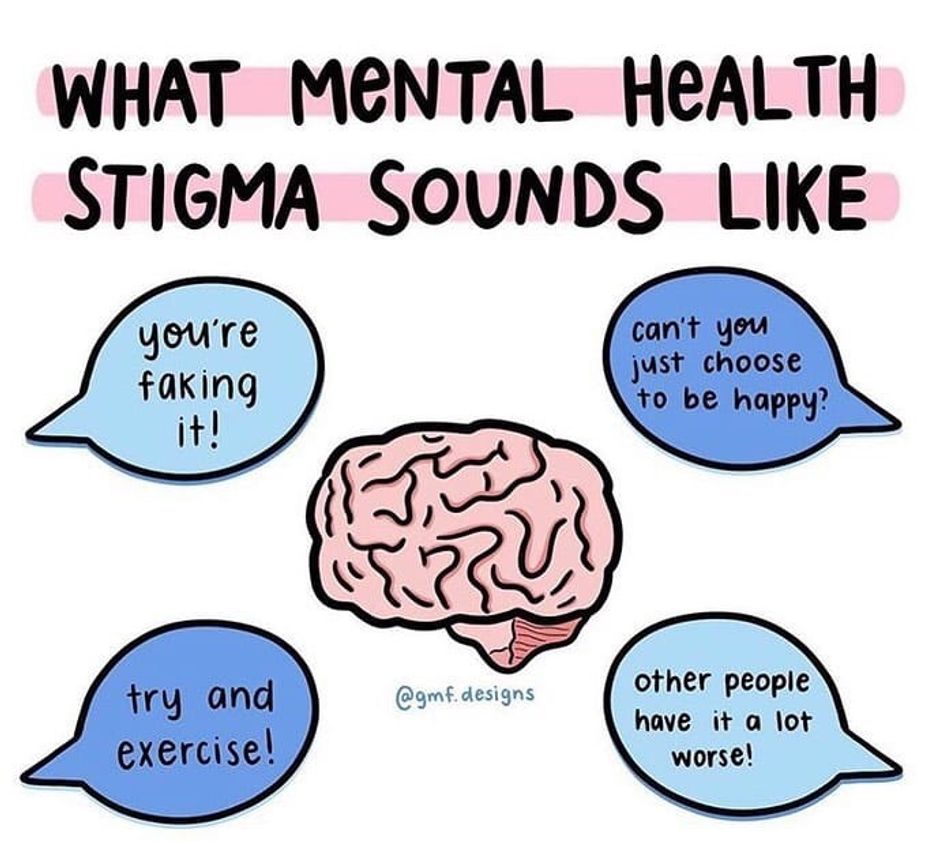
Most of the motivational speakers I meet have no psychology or psychiatry education or training. They’re just winging it through a combination of plagiarized quotes and stand-up comedy. They offer a nothing substantial in their talks and yet educational institutions and corporate offices force their students and employees respectively into attending theses “motivational” talks and they expect everyone to pretend to like it. It’s torture, and it’s disrespectful of their agency.
It is important that we as consumers critically analyze the content that we are seeing before we share it with our friend lists. Not every motivational story is actually motivational. Most stories are simply selling you something. It is a commercialization of trauma, of pain, of lifelong suffering and, in some cases, of religion.
As a content creator, a digital marketer, and an erstwhile public speaker, I condemn such content and the people who create and share it. There is no universal solution that can eliminate everyone’s woes. Before you seek motivation, please determine:

- What kind of motivation do you need? Is it about your career, your personal life, or your love life?
- Is your motivation-requiring-problem really just that or is it only the tip of a psychological iceberg?
- Is it really motivation you require or professional therapy (where the person will actually listen to YOU instead of only talking about themselves)?
If you still feel that you are in the need for motivational content, try a TED Talk. At least those speakers are from a variety of fields, each one an expert in their niche, respected for their experience, and better at articulating. [This isn’t a paid endorsement, I genuinely like watching TED Talks.] Or listen to interviews of people who are actually succeeding or have interesting things to say (Maya Angelou, anyone?), who don’t toot their horn despite having every reason to do so!
Be better content creators and informed content consumers. Not everything needs to a “Like, Share & Subscribe”. Learn the difference between actual and toxic optimism. And please know that seeking professional help, in this day and age and in this economy, is at times vital. No amount of internet content can fill the whole in your heart or the void in your life – but there are healthier options to cope with the emptiness.
Rant over. xx
 The Book Dragon